Blog For Traders
Your hub for practical trading education. Strategies, platform guides, prop firm insights, and market tips designed to help you trade smarter with ForTraders.
New Articles

Mastering Risk Management: Essential Tips for Funded Traders
Risk management for funded traders starts with drawdown, not equity. Size every trade backwards from max DD and daily loss limits — XAUUSD, US100, MES worked.

7 Steps to Build a Pre-Trading Routine
A clocked premarket routine for day traders: T-45 to the open, instrument prep for XAUUSD and US100, risk checks and a news-day skip filter.
Leverage Meaning in Finance: The Corporate and Trading Versions, Side by Side
Leverage meaning in finance explained for both sides: debt ÷ equity on a balance sheet and notional ÷ margin in your trading account, with 2026 worked math.

Top 5 Profit-Sharing Models in Prop Trading
Compare all five prop trading profit-sharing models in 2026 — flat, scaling, tiered, conditional and full retention — and see what each one really pays you.
NinjaTrader Download: The Install Guide Written for Futures Traders
NinjaTrader download and install guide for Windows 11, Windows 10 64-bit and Mac — exact steps, system requirements, install fixes and prop feed setup.
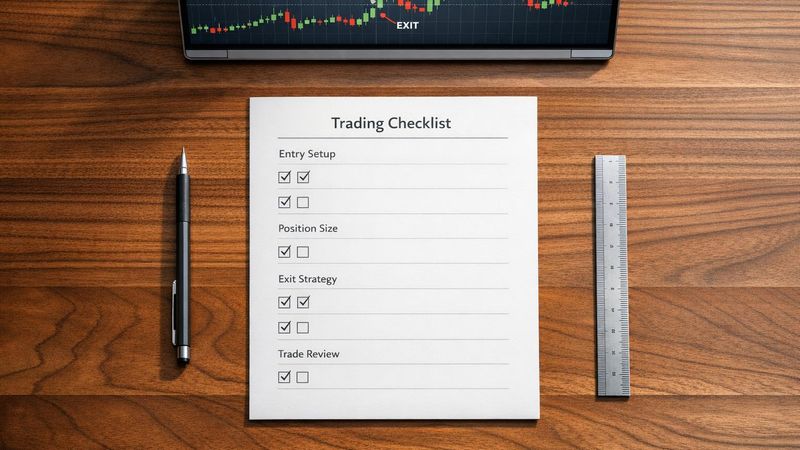
Checklist for Perfect Trade Entry and Exit
A printable trading checklist covering all four phases — pre-trade, entry criteria, exit, post-trade review — with copy-paste blocks for forex, gold and crypto.
Featured Articles

5 Must-Have Indicators for Forex Traders
Explore essential Forex trading indicators like MACD, RSI, and Bollinger Bands to enhance your trading strategy and manage risks effectively.

10 Backtesting Mistakes in Trading
Avoid common backtesting mistakes in trading that can lead to significant losses. Learn essential strategies for effective testing.

5 Risk Rules for Prop Trading Challenges
Master risk management in prop trading challenges with five essential rules to protect your capital and enhance your trading success.

5 Common Trading Psychology Mistakes to Avoid
Avoid common trading psychology mistakes to improve discipline and achieve consistent results in your trading strategy.
All Articles
Mastering Risk Management: Essential Tips for Funded Traders
Risk management for funded traders starts with drawdown, not equity. Size every trade backwards from max DD and daily loss limits — XAUUSD, US100, MES worked.
7 Steps to Build a Pre-Trading Routine
A clocked premarket routine for day traders: T-45 to the open, instrument prep for XAUUSD and US100, risk checks and a news-day skip filter.
Leverage Meaning in Finance: The Corporate and Trading Versions, Side by Side
Leverage meaning in finance explained for both sides: debt ÷ equity on a balance sheet and notional ÷ margin in your trading account, with 2026 worked math.
Top 5 Profit-Sharing Models in Prop Trading
Compare all five prop trading profit-sharing models in 2026 — flat, scaling, tiered, conditional and full retention — and see what each one really pays you.
NinjaTrader Download: The Install Guide Written for Futures Traders
NinjaTrader download and install guide for Windows 11, Windows 10 64-bit and Mac — exact steps, system requirements, install fixes and prop feed setup.
Checklist for Perfect Trade Entry and Exit
A printable trading checklist covering all four phases — pre-trade, entry criteria, exit, post-trade review — with copy-paste blocks for forex, gold and crypto.
Topstep Trading Review 2026: A Rules-First Teardown
Topstep trading explained: how the Trading Combine, end-of-day trailing drawdown and consistency rule work, real costs, payout speed and 2026 alternatives.

How to Build Discipline and Confidence as a Trader
How to build trading discipline in 7 steps: a written rulebook, a 15-minute daily routine, counter-rules for revenge trading, and a 40-session scorecard.

Trading Psychology for Challenge Success
Trading psychology for challenge success: the four stages where evaluations die, stress protocols under a hard daily loss limit, and measurable mental habits.
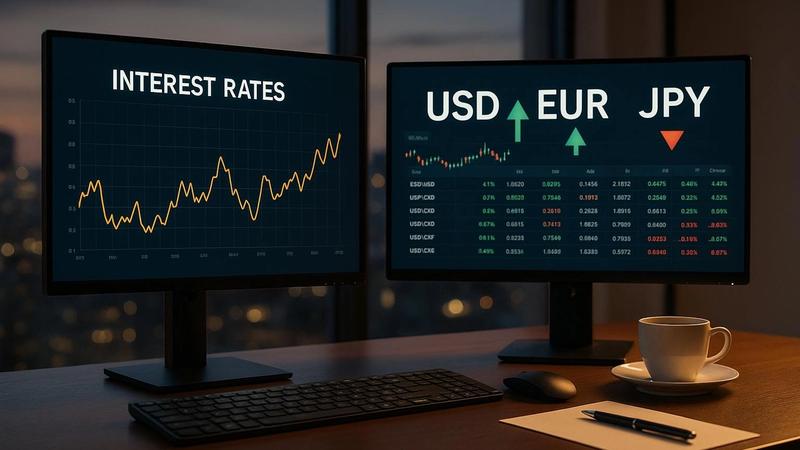
The Impact of Interest Rates on Currency Trading
How interest rates affect forex in practice: September 2026 policy rates for all eight majors, what's already priced in, real rates, carry trade and FOMC execution.
What a Trading Challenge Really Is — Rule by Rule
A trading challenge is a simulated-capital evaluation with a profit target and drawdown limits. Every rule converted into dollars and lots on a $50k account.

10 Best Funded Trading Accounts in 2026, Ranked by Real Cost
The 12 best funded trading accounts in 2026, ranked by drawdown type and real 90-day cost including one reset. Fees, splits and payout cadence verified.
TradingView Download: Install It Properly on PC, Mac, Linux and Mobile
TradingView Desktop download and install for Windows 11, Mac, Linux, iOS and Android — official sources, file sizes, free-tier limits and fixes that work in 2026.
TopstepX Platform: What It Actually Is, and Whether It's Enough
TopstepX platform review 2026: what it is, the ProjectX layer behind it, live CME data, DOM and hotkeys, three real limitations, and the alternatives.
9 Best Prop Firms with Free Demo Accounts (2026 Tested)
We opened the same trades on 9 free demo trading account platforms during a live NFP print and a dead Asian session. Ranked on spread, fills and parity.
7 Best Trading Discords and Communities Right Now
The 7 best trading discords in 2026, scored on five criteria — verified price tiers, free trials, asset focus, plus how to vet a paid options room.

How to Pass Your First Trading Challenge: A Step-by-Step Guide
Looking for an easy way to pass a trading challenge? There isn't one — but there is a shorter route. The exact risk maths, rules and routes for 2026.

Why Funded Traders Burn Out and How to Prevent It
Trader burnout explained: a 10-item self-check, burnout vs tilt vs strategy mismatch, prop rule stress fixes and a 7-day reset protocol to get back to the screen.
How to Build a Trading Plan That Actually Works
Build a trading plan you can actually follow: definition, copy-paste template, ATR position sizing maths for XAUUSD and US100, and prop-evaluation risk rules.
Best Free Resources to Learn Prop Trading
A free prop trading course built from 8 real resources, mapped to evaluation rules, plus a 90-day study plan and a readiness checklist for 2026.

How to Scale Up a Funded Trading Account Safely
How to scale a funded trading account in 2026: exact size-up triggers, step sizes, lot and contract maths, plus trailing drawdown rules that keep you funded.
Topstep Review 2026: The Rules, The Maths, The Trade-Offs
Topstep review 2026: Trading Combine cost, profit targets, trailing drawdown maths on ES and MNQ, payout rules, TopstepX and who it's wrong for.
8 Best Funded Trading Firms for Crypto Traders
A crypto funded account lets you trade BTC, ETH and alts on simulated capital. We ranked 8 funded trading firms for 2026 on rules, splits and payout speed.
Best MT5 Expert Advisors (EAs) for Funded Accounts
The best MT5 expert advisors for funded accounts in 2026, forward-tested at 0.5-0.75% risk against real prop rules, plus EA build costs and which firms allow EAs.
AI Trading Tools That Actually Work (2026 Edition)
We tested 12 AI trading tools across 2026 on XAUUSD, US100 and futures — real prices, honest edge numbers, and a prop-firm rule verdict for each one.

Staying Informed: How to Follow Financial News Effectively
How to stay informed about financial news in 20 minutes a day: a clock-timed routine, a speed vs quality feed comparison, and an anti-overwhelm protocol for 2026.
FundedNext Review 2026: Every Rule, Cost and Payout Number
FundedNext review for 2026: every model's cost, profit target, drawdown type, payout split and the rules that fail most accounts — plus honest alternatives.

Best Practices for Volatility-Adjusted Returns
Volatility-adjusted returns explained with formulas: Sharpe vs Sortino vs Calmar, ATR position sizing, a volatility-adjusted leverage ladder and 2026 regime reads.

Trading with Correlations: Leveraging Asset Relationships
The best tool for correlation analysis across assets, compared: TradingView, MT5/Myfxbook, Koyfin, Python — plus 2026 readings and correlation-adjusted sizing.

How Long Does It Take to Become a Profitable Trader?
How long does it take to become a profitable trader? Honest 2026 timelines: 6-12 months to a first edge, 12-24 to consistency, plus the 200-trade test.