All Articles
Page 10 of 15

Trading Psychology: Self-Awareness Techniques
Practical self-awareness methods—journaling, pre-trade checks and emotion tagging—to curb impulsive trades and boost discipline.
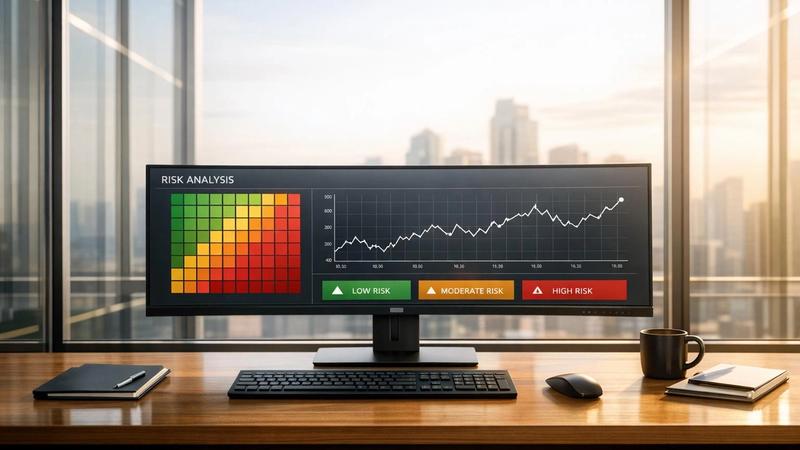
AI in Risk Monitoring: Benefits for Prop Traders
AI lets prop firms spot trader risk in real time, cutting blowouts and turning reactive oversight into proactive protection.
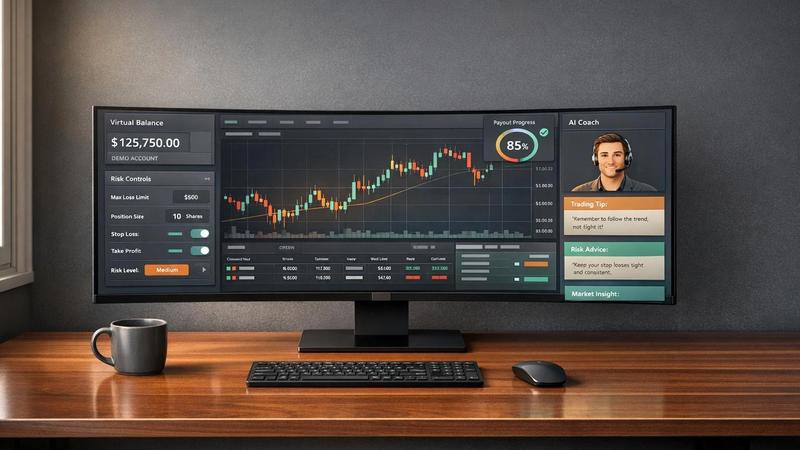
Best Platforms for Simulated Trading Drills
A guide to simulated trading platforms with virtual accounts, AI coaching, risk controls, and payout options.
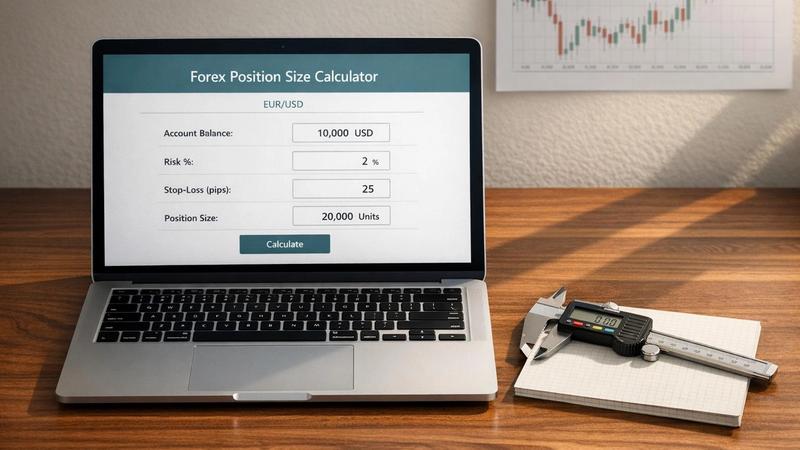
Forex Position Size Calculator for Precision
Calculate your ideal forex position size with our free tool! Input balance, risk %, and stop-loss to trade smarter and manage risk like a pro.
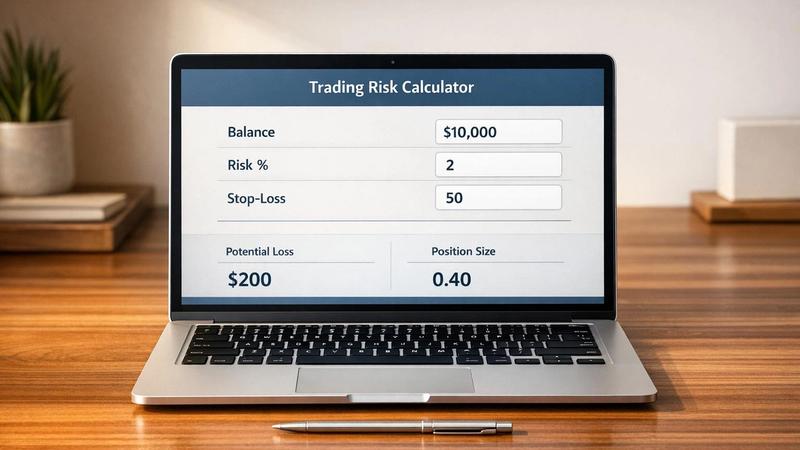
Trading Risk Calculator for Smarter Trades
Calculate trading risks with our free tool! Input balance, risk %, and stop-loss to get potential loss and position size. Trade smarter now!
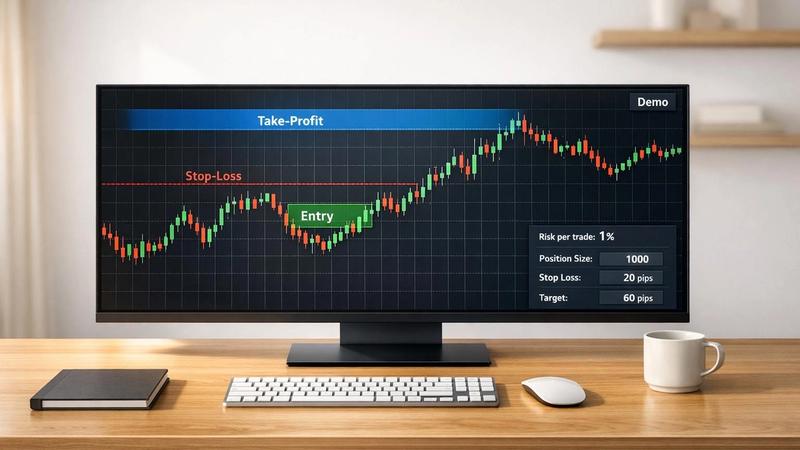
Swing Trading Rules for Beginners on Demo Accounts
Practice swing trading on demo accounts with clear entry and exit rules, stop-loss sizing, risk management, and platform setup tips.
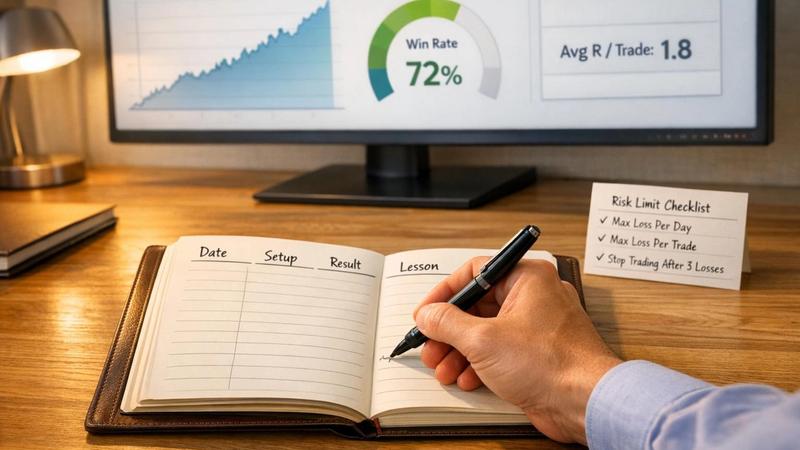
How to Use Feedback to Improve Prop Trading Results
Consistent feedback—tracking metrics, journaling, and disciplined risk changes—turns prop trading luck into repeatable results.
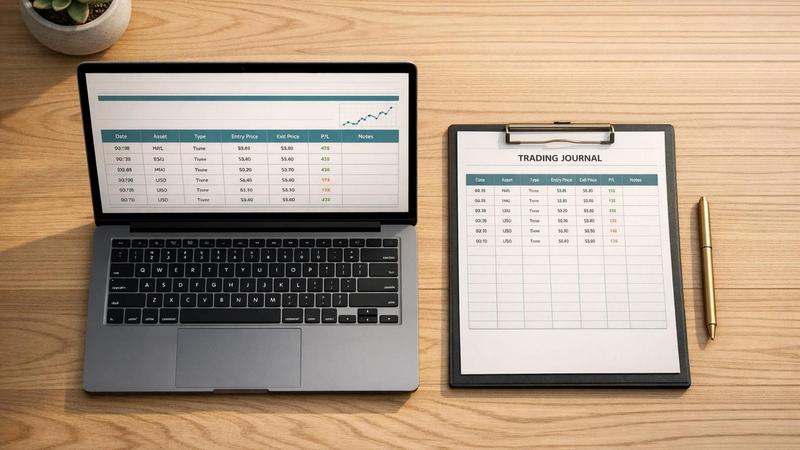
Trading Journal Template to Track Success
Download our free Trading Journal Template to track trades, analyze performance, and boost your strategy. Perfect for beginners and pros!
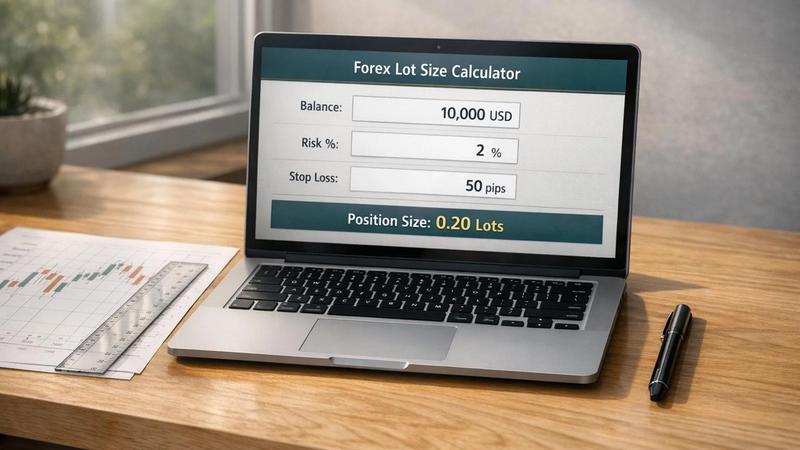
Forex Lot Size Calculator for Precise Trades
Calculate your ideal forex lot size instantly with our free tool. Manage risk like a pro by entering your balance, risk %, and stop loss!
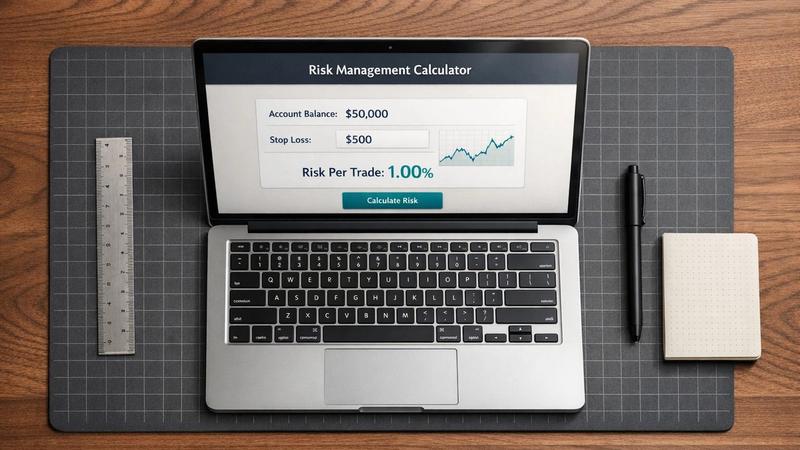
Risk Management Calculator for Safe Trading
Calculate your trade risk easily with our free Risk Management Calculator. Input your account balance and stop loss to manage risk like a pro!
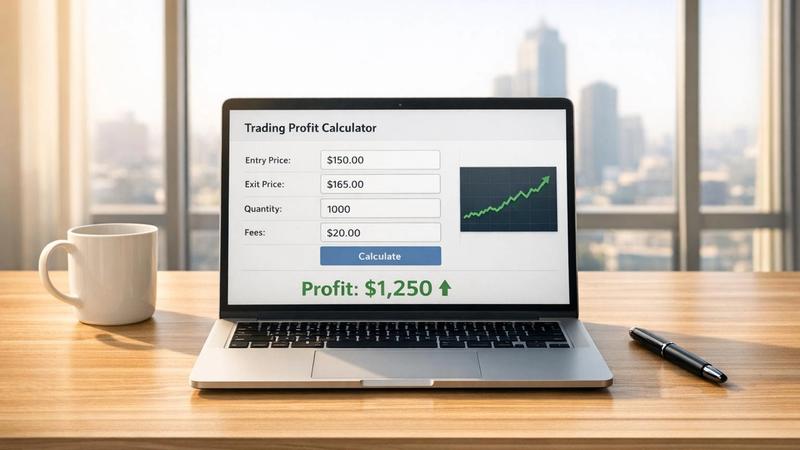
Trading Profit Calculator for Smart Trades
Easily calculate your trading profits or losses with our free Trading Profit Calculator. Input your trade details and get instant results!
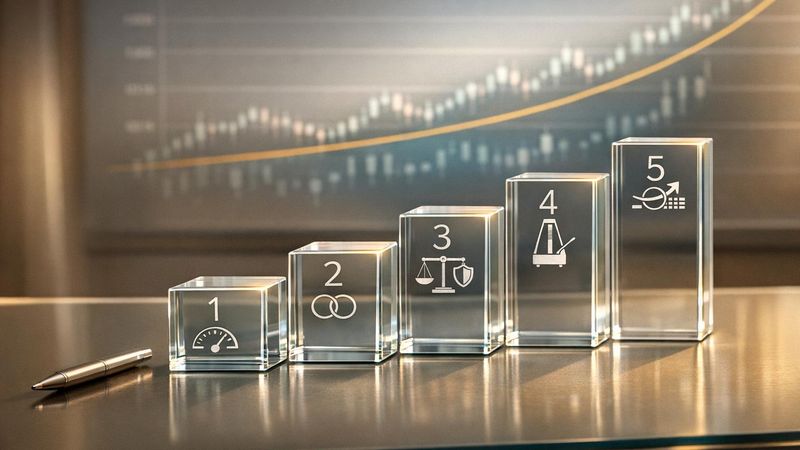
5 Steps to Optimize Sharpe Ratio
Measure your baseline Sharpe Ratio, then boost risk‑adjusted returns with low‑correlation diversification, disciplined position sizing and stops, indicator timing, and backtesting.
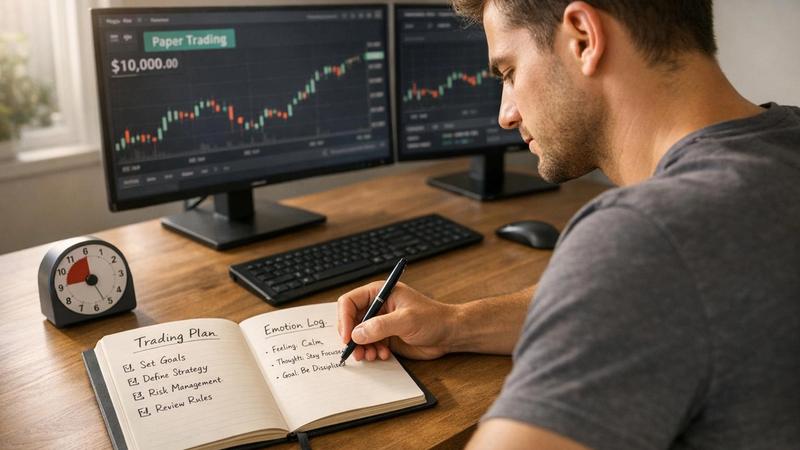
How to Prepare Mentally for Simulated Trading
Train your mind for simulated trading: build a clear plan, use realistic demo capital, track emotions, run stress drills, and prioritize process over profits.
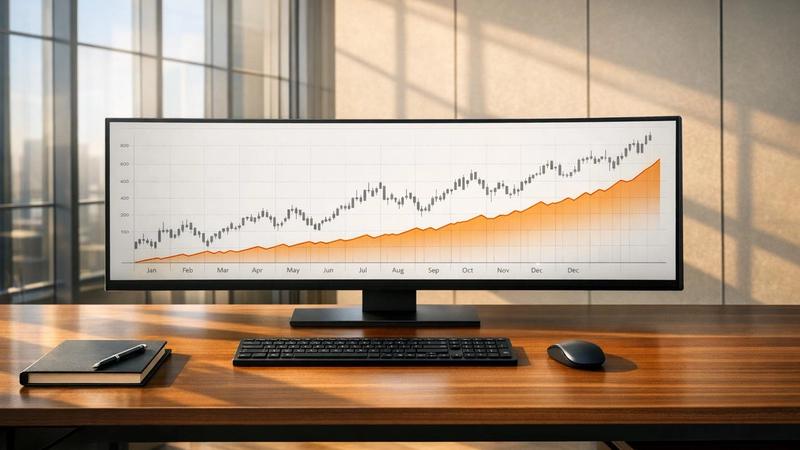
Complete Guide to Backtesting Trading Systems
Learn the essentials of backtesting trading systems, avoiding pitfalls, and creating reliable strategies for long-term success in this comprehensive guide.
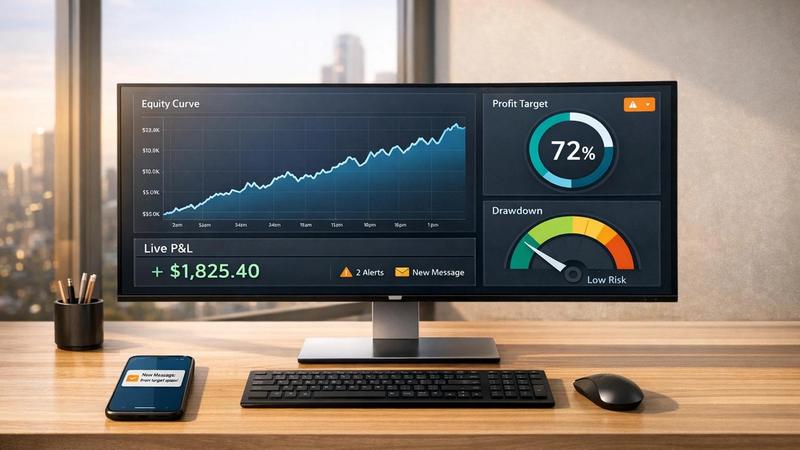
Best Funding Platforms with Built-In Analytics
Compare funded trading platforms with real-time analytics, dashboards, and alerts to track profit targets, manage drawdowns, and improve trading consistency.
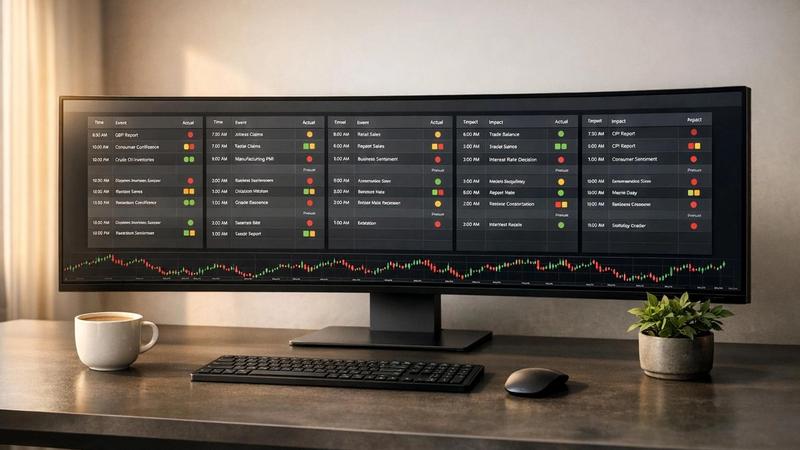
Best News Calendars and Event Trackers for Traders
Compare five economic calendars for traders, focusing on update speed, customization, impact ratings and platform integration to match your trading style.

Best VPS Providers for Forex and Prop Traders
Compare low-latency VPS options for forex and prop trading — latency, uptime, pricing, and platform compatibility to match your trading style.
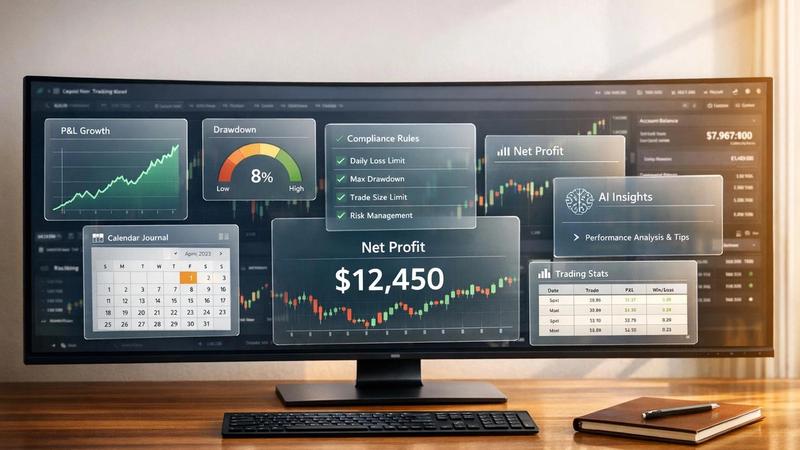
7 Tools to Track and Improve Your Funded Account Performance
Seven top tools to monitor funded accounts — compare dashboards, journals, AI analytics, and spreadsheets to track P&L, drawdowns, rule compliance, and net profitability.
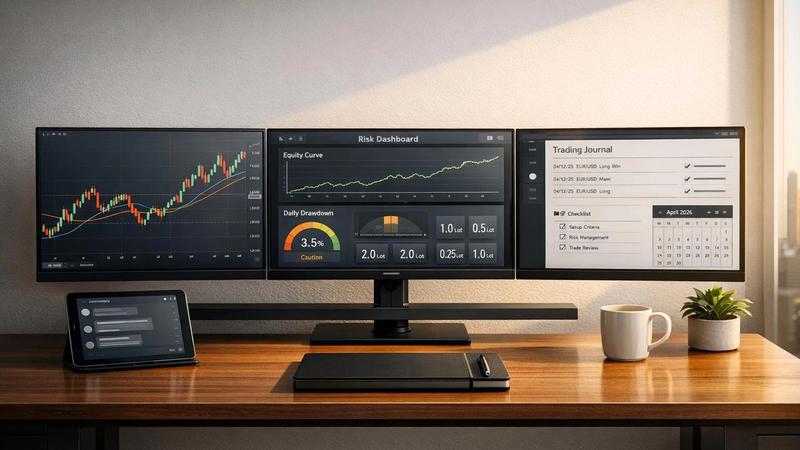
The Ultimate Funded Trader Toolkit for 2026
Essential platforms, charting, risk controls, journaling, and community tools every funded trader needs to pass challenges and manage funded accounts in 2026.
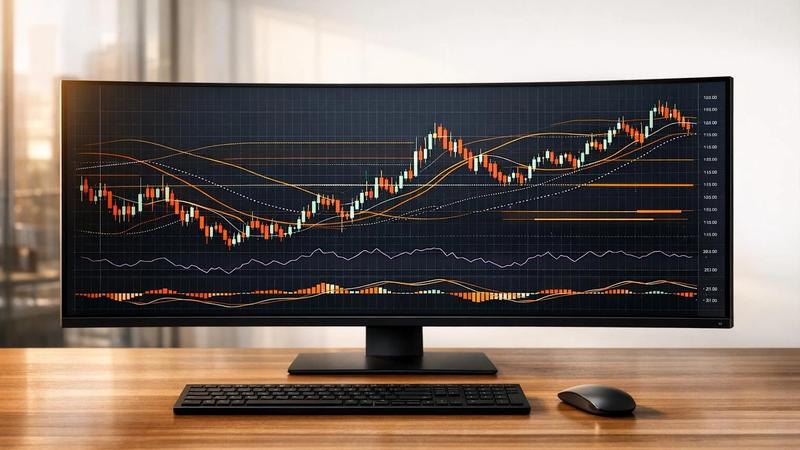
Top 10 Indicators for Funded Traders
A concise guide to the top 10 technical indicators funded traders use to spot trends, manage risk, and pass prop firm evaluations.
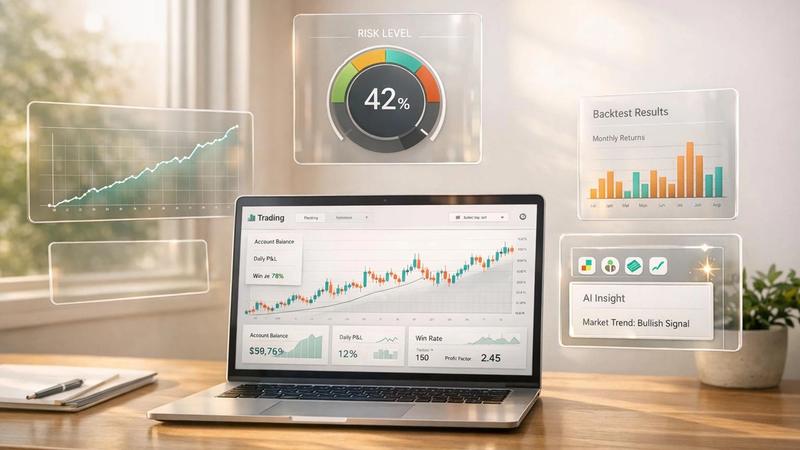
Best Trade Journals and Analytics Tools in 2026
Compare top trade journals and analytics tools for 2026 — AI insights, broker auto-sync, backtesting, risk metrics, and integrations to sharpen trading performance.

Is It Too Late to Start Funded Trading in 2026?
Funded trading is still viable in 2026: flexible evaluations, AI tools, low-cost simulated challenges, and disciplined risk management boost your chances.
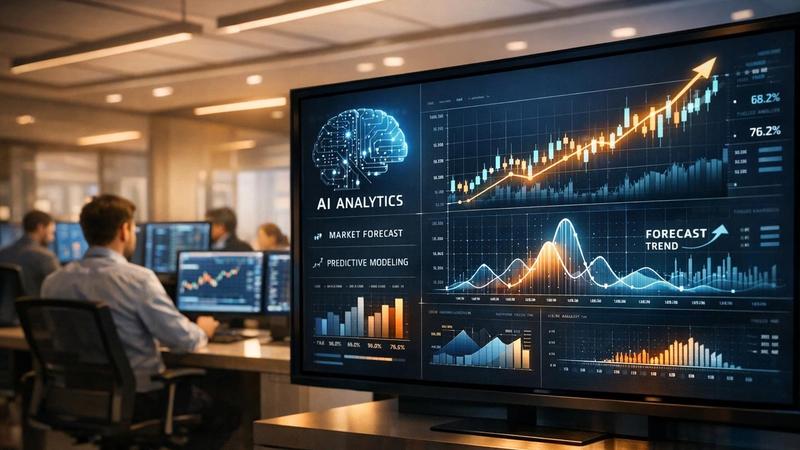
How AI Is Reshaping Prop Trading Firms
AI is transforming prop trading with high-speed algorithmic execution, real-time risk controls, predictive analytics, and challenges like data and model transparency.

The Rise of Crypto Prop Firms: Opportunity or Risk?
Crypto prop firms can fast-track traders to bigger capital but often rely on fees, strict rules and volatile markets—approach them with caution.
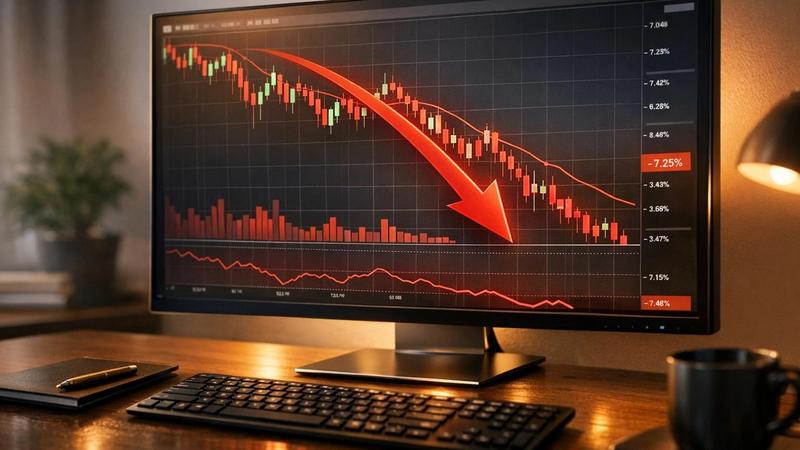
Why Most Trading Bots Lose Money
Why most trading bots fail: overfitting, weak risk controls, poor testing and lack of adaptability—practical fixes to build more reliable automated strategies.
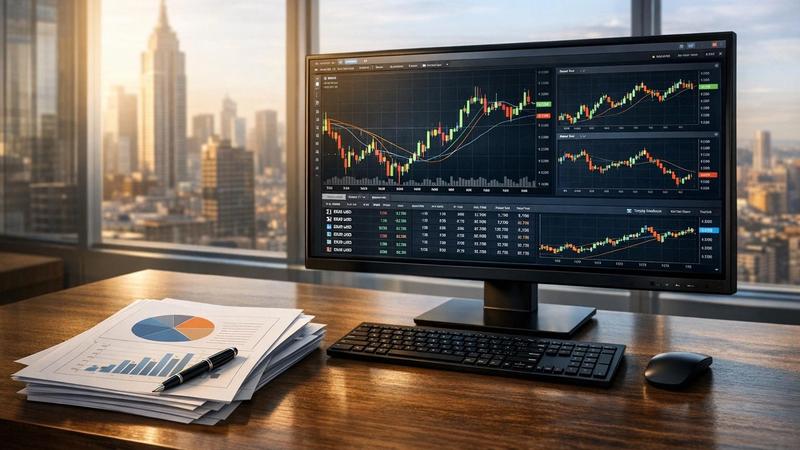
How Prop Firms Are Changing the Future of Forex
Prop firms let skilled forex traders access company capital, earn large profit splits, and leverage AI/blockchain—while enforcing strict evaluation and risk limits.
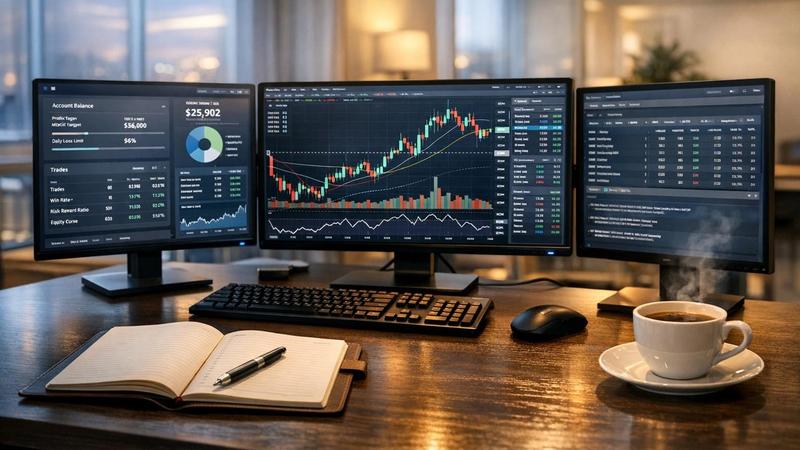
What Funded Traders Wish They Knew Before Starting
Understand evaluation rules, drawdown and risk limits, strategy testing, and trading psychology to improve your chances in funded trader programs.

Why Prop Firms Are Booming in 2026
Prop trading reached a $12B market in 2026 driven by younger traders, AI risk tools, flexible funding, and rapid global expansion.
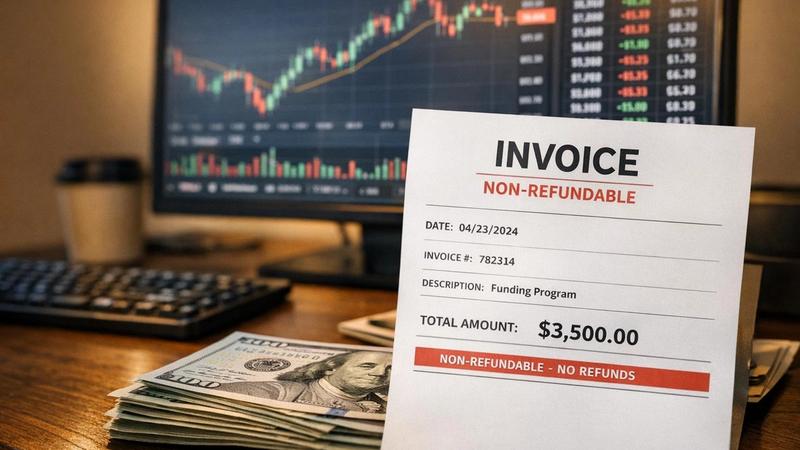
The Truth About “Instant Funding” Prop Firms
Instant funding prop firms offer fast capital but come with higher nonrefundable fees, tighter drawdowns, lower profit splits and frequent account failures.

Should You Quit Your Job for a Funded Trading Career?
Weigh the risks and rewards of quitting your job for a funded trading career—profit splits, high failure rates, costs, and a step-by-step transition plan.